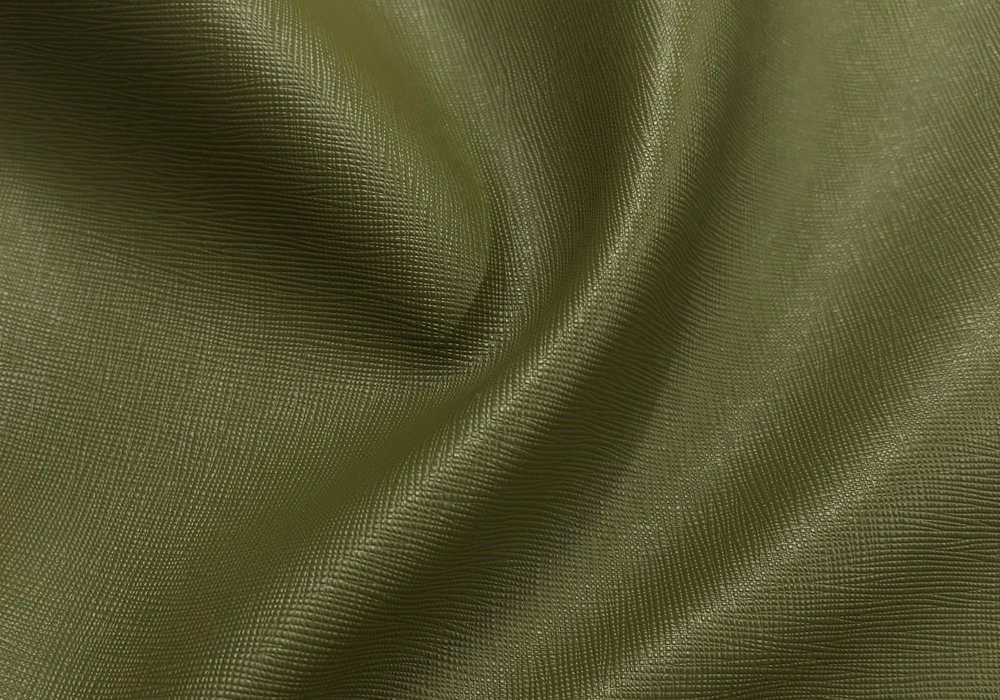
Vegetable-tanned leather is genuine animal hide (usually cowhide) tanned using natural tannins derived from plant sources like tree bark, leaves, and branches. This traditional process uses materials like quebracho, mimosa, or chestnut, making it more eco-friendly and biodegradable compared to chrome-tanned leather.
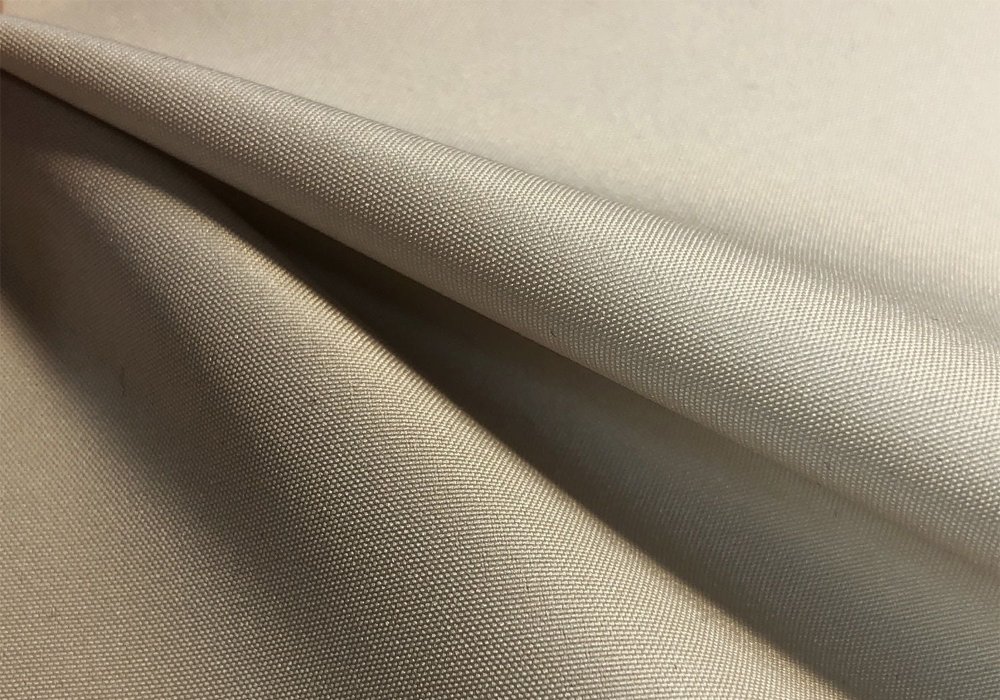
Recycled nylon is a sustainable material made from pre-consumer or post-consumer waste, such as abandoned fishing nets, fabric scraps, carpet flooring, and industrial plastic. Instead of ending up in landfills or polluting oceans, these materials are collected, cleaned, and transformed into new nylon fibers.
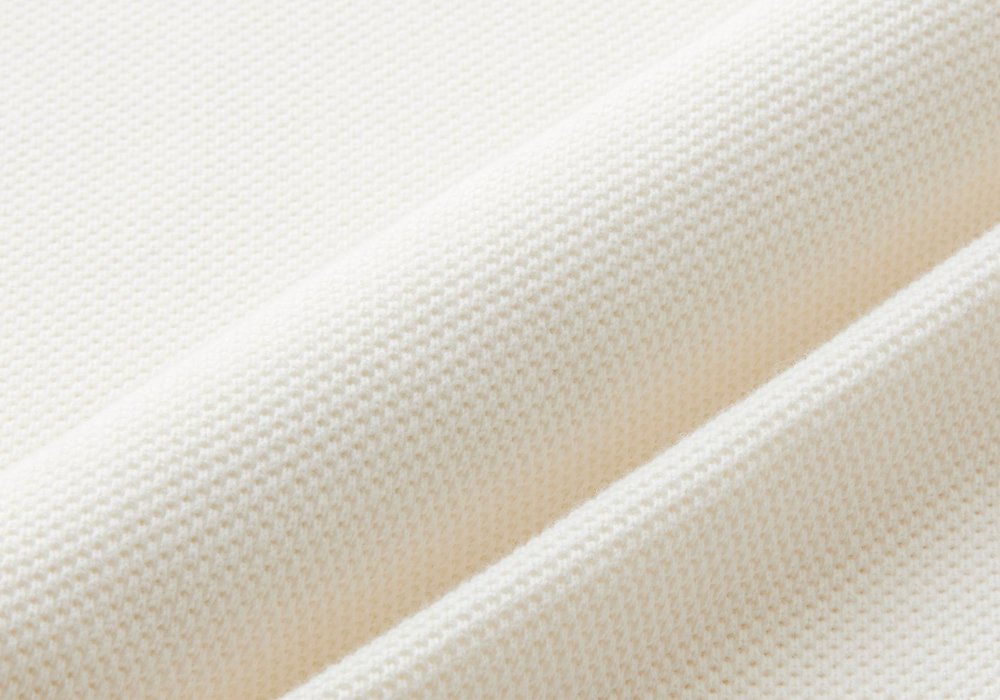
Organic cotton is a sustainably grown, plant-based textile produced without genetically modified organisms (GMOs), toxic synthetic pesticides, or fertilizers. It uses natural farming methods that improve soil health, conserve water, and ensure safer working conditions, making it an eco-friendly and hypoallergenic alternative to conventional cotton.

Recycled Polyester (rPET) is a sustainable material made from recycled plastic bottles, containers, and, at times, industrial waste, It possesses the same properties as virgin polyester fiber.The impact on the environment, however, is significantly smaller.
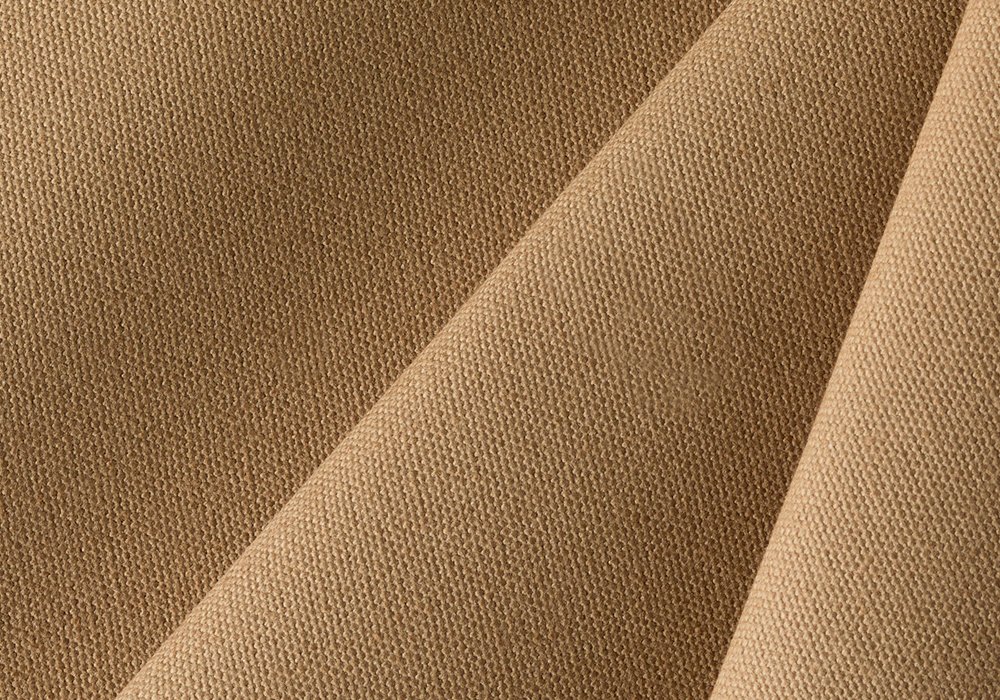
Canvas is a thick, coarse fabric—typically featuring a plain or twill weave—primarily composed of coarse cotton or hemp. Because its warp and weft threads are predominantly multi-ply and tightly woven, it possesses characteristics of abrasion resistance, durability, and strength.