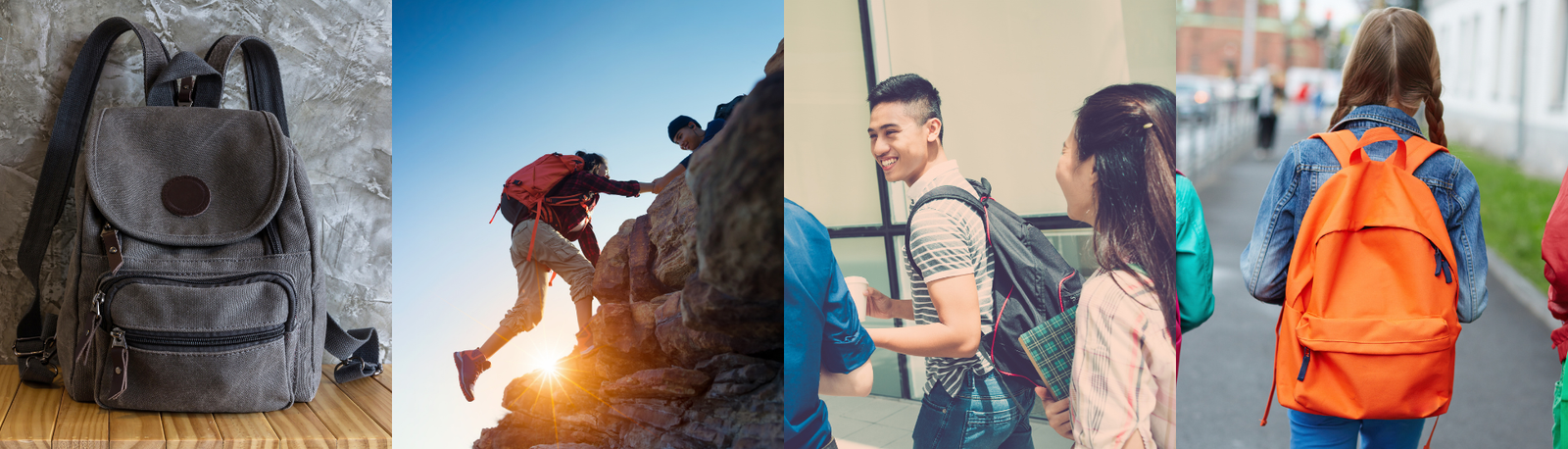
Zipper: The Invisible Facade of Backpack Quality
In-Depth Analysis on the Value, Risks, and Design Strategy of Customized Zippers in High-End Backpacks
Part I Introduction: Why Zipper’s Status is Severely Underestimated in High-End Backpacks
When we talk about a high-end backpack, we usually focus on the fabric, the carrying system, and the aesthetic design. However, there is a core component that determines the user’s high-frequency, direct interaction experience with the product, but is often neglected—that is the zipper.

The zipper is far from just a simple opening and closing device; it is the brand’s silent physical ambassador and a key indicator for measuring whether a backpack is “finely crafted.” In the fiercely competitive high-end market, the quality, design, and functionality of the zipper directly determine the user’s perception of the backpack’s overall durability and reliability.
1.1 Customization: From Component to Strategic Differentiation Weapon
Imagine a high-end outdoor bag costing several thousand RMB (Yuan). If its zipper frequently jams or its teeth fall off, it would be a disastrous user experience, often leading to complaints and damage to brand reputation. Therefore, for high-value products targeting professional travelers, outdoor enthusiasts, or business people, investing in customized, high-performance zippers is a necessary prerequisite for achieving strategic differentiation and maintaining brand value.
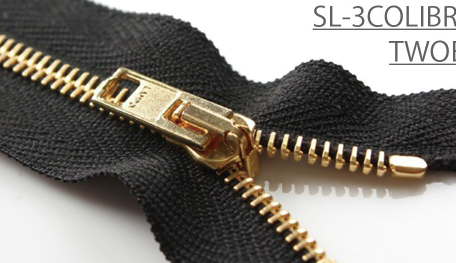
For example, adopting the “No-Color Double-Carving” metal puller design. This pursuit of extreme detail conveys a sense of enduring durability and sophisticated craftsmanship, providing solid physical support for the brand’s premium pricing. This level of deep customization transforms a basic functional component into a highly recognizable exclusive brand element.
Part II The Technical Foundation of Zippers: How to Choose the Backpack’s “Skeleton”
To understand the impact of zippers on a backpack, we must first deconstruct their technical foundation, as performance is determined not only by material but also by configuration and size.
2.1 The Anatomy of a Zipper: Gauge Size and Strength
A zipper consists of a tape, elements (teeth), a slider, and stoppers. Among these, the Gauge Size is the core parameter determining its strength and application scenario. The gauge size is usually proportional to the element width, directly determining the zipper’s shear strength, tensile strength, and torque load capacity.
Gauge Size Application Insight: Common No. 5 and No. 8 zippers, due to their higher strength, are often used for the backpack’s main compartment or areas requiring high stress tolerance. Manufacturers must choose a gauge size with sufficient tensile strength based on the backpack’s design volume and expected load. This is the first line of defense to avoid systemic structural failure.
2.2 Basic Structure Types: Access, Anti-Theft, and Cable Management Strategy
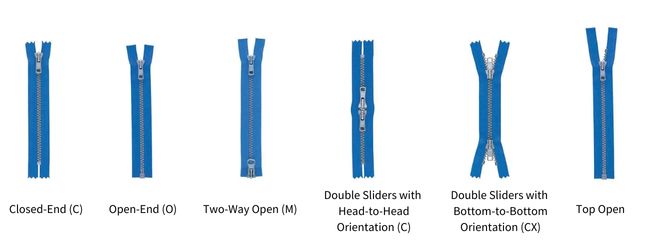
Industry leaders provide various basic structure types, each targeting specific opening and closing needs, directly affecting the backpack’s access efficiency, anti-theft performance, and ergonomic design.
| Structure Type (Code) | Operation Characteristic | Typical Backpack Application | Design and Customization Potential |
| Closed End (C Type) | Dual sliders meet in the middle | Clamshell Opening Travel Luggage-style | Integrated Security D-rings can be set at the meeting point for physical locking with a padlock, reinforcing anti-theft. |
| Dual Sliders Opposite (CX Type) | Sliders open from the middle to both ends | Hydration tube outlet, headphone/charging cable port | Precise Function Requires precise customization of zipper length and stopper position to ensure stable passage of cables/tubes. |
| Reverse Open (M Type) | Fully separable structure | Modular Attachments, Detachable Pouches | Extendability Allows for quick replacement and detachment of backpack attachments, enhancing multifunctionality. |
Design Matching Principle: The choice of structures like C-Type and CX-Type directly determines the backpack’s access geometry and functional partitioning. For example, choosing the CX-Type can ensure minimal opening, improving anti-theft, while allowing cables to pass through—a function-driven customization strategy. If the structure choice does not match ergonomics, even the most expensive fabric will result in low user satisfaction due to inconvenient operation.
Part III Material Science Trade-offs: The Aesthetic vs. Durability Trap
The choice of zipper material is core to performance customization. Metal, resin, and nylon—each corresponds to specific needs for strength, weight, and aesthetics.
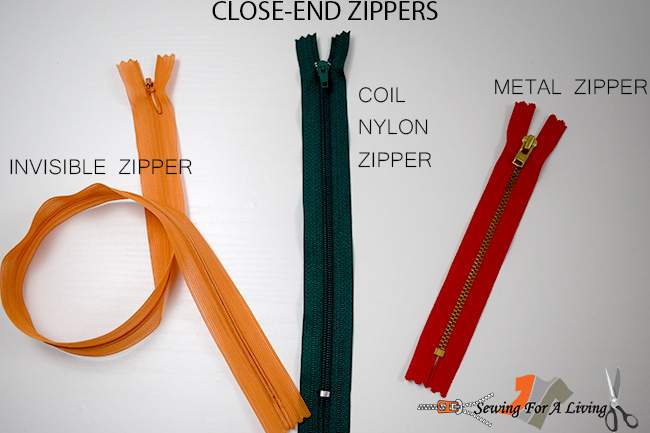
3.1 Metal Zippers: Trade-off Between Strength and Corrosiveness
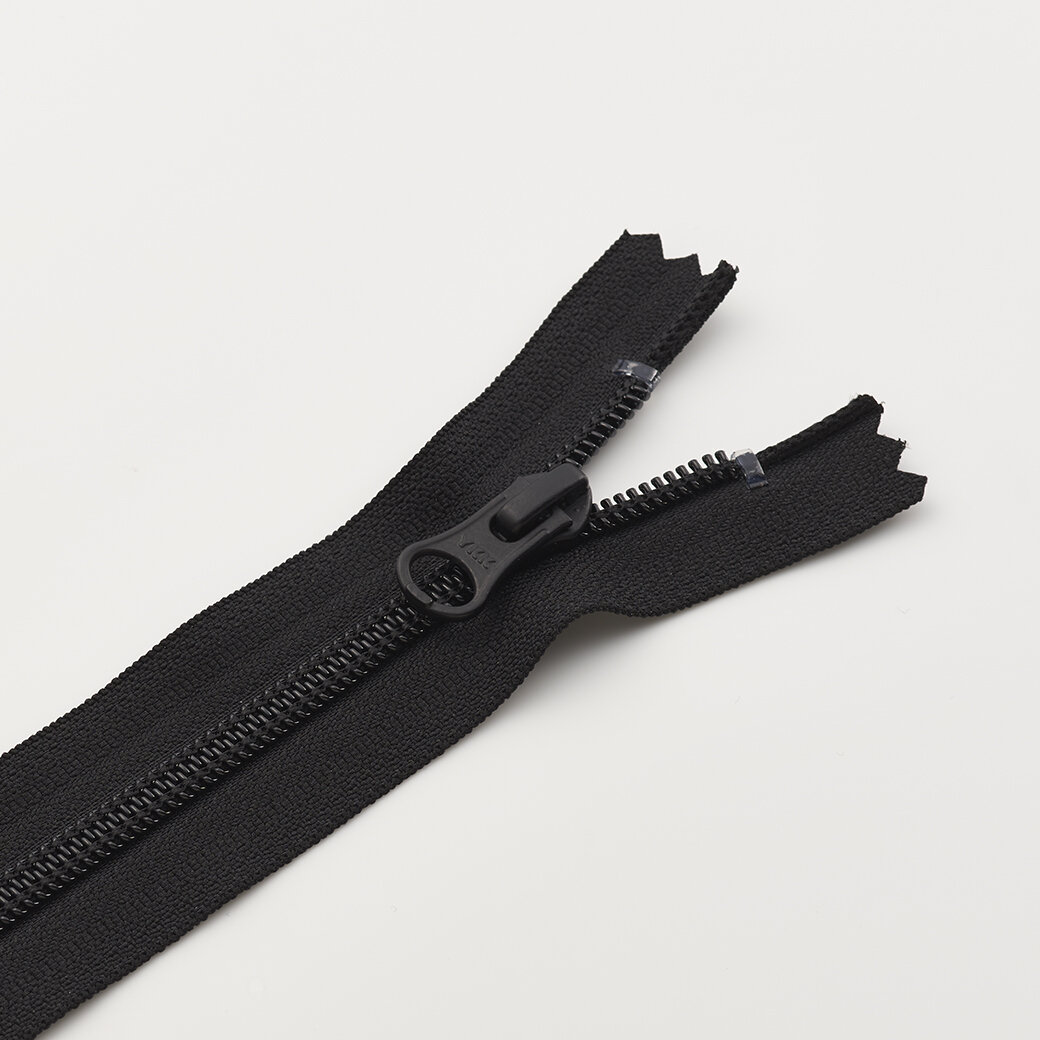
Metal zippers provide high durability and a solid feel, suitable for heavy-duty or thick-fabric products.
![金属拉链(YKK) | 上海裤洛布贸易有限公司[服装,时装材料,OEM]](data:image/svg+xml;base64,PHN2ZyB4bWxucz0iaHR0cDovL3d3dy53My5vcmcvMjAwMC9zdmciIHdpZHRoPSIzMTQiIGhlaWdodD0iMTYwIiB2aWV3Qm94PSIwIDAgMzE0IDE2MCI+PHJlY3Qgd2lkdGg9IjEwMCUiIGhlaWdodD0iMTAwJSIgc3R5bGU9ImZpbGw6I2NmZDRkYjtmaWxsLW9wYWNpdHk6IDAuMTsiLz48L3N2Zz4=)
Brass/Nickel: Highest durability, suitable for heavy-duty outdoor bags. But high weight, high cost, and corrosion risk in high-humidity environments.
Aluminum: Lightweight solution, moderate strength, more suitable for urban fashion backpacks.
Manufacturers can enhance the metal zipper’s corrosion resistance to specific environments (such as high-salt spray) by customizing the alloy composition and plating layer thickness, thereby extending the backpack’s service life under extreme conditions.
3.2 Resin and Nylon: Advantages in Lightweight and Color Uniformity
Resin (Vislon) and Nylon (Coil) zippers offer excellent lightweight properties and flexibility. Nylon zippers are favored in high-curvature designs due to their self-healing property.

Customization Advantage: They are easier to achieve color customization and precise matching between the tape and the elements, thereby achieving a higher degree of brand visual uniformity.
3.3 The Aesthetic Trap: Bright Black Coating Paradox
High-end backpacks often pursue advanced customized colors like bright black and light gold, which significantly enhance the product’s visual appeal. However, this advanced aesthetic is often accompanied by non-negligible quality risks—a challenge manufacturers must face when pursuing differentiation.
Risk Focus—Coating Durability:
Studies show that special colors like bright black are formed through special surface treatment and coating. Suppliers usually warn that:
Surface Peeling: After long-term repeated use or wear, the surface coating may peel off, exposing the underlying metal base color.
Fabric Staining: The coating may transfer color to the zipper tape fibers or the clothing fabric that rubs against it.
This constitutes a nonlinear relationship between durability and aesthetics: the highest aesthetic value is often accompanied by the highest risk of physical failure.
Risk Mitigation Strategy:
When adopting such high-risk coatings, the following must be done:
Restriction to Areas: Only use high-risk coatings in low-wear, high-visibility decorative areas. Core functional compartments should use high-durability materials.
Enhanced QA: Conduct additional repeated cyclic tests for coating peeling and color fastness, increasing the Total Cost of Ownership (TCO) to mitigate risks.
Expectation Management: Inform consumers in advance about the possibility of “natural wear and tear,” transforming material limitations into part of the brand’s narrative.
Part IV Customized Slider and Puller: The Signature of User Experience
The slider and puller are the most direct manifestations of the user’s perception of zipper quality. Customized pullers are not just marketing; they are key links in product design and Intellectual Property (IP) protection.

4.1 Brand Recognition: The Strategic Value of Double Carving
High-end brands tend to treat the puller design as the “signature” of their product interaction. Taking the “No-Color Double-Carving” metal zipper design strategy as an example, it pursues lasting quality in touch and sight, rather than superficial color. This design decision demands higher mold costs and process precision, while providing the zipper with a powerful anti-counterfeiting function.
4.2 Functional Customization: Security and Ergonomics
Functional customization of the slider can greatly enhance the product’s specific utility value:
Security Integration: The Key Locking Slider is a critical function for travel and business backpacks, providing additional physical anti-theft protection.
Operation Optimization: The Dual Puller Design allows users to open and close the zipper from both the front and back, which is crucial for complex internal compartments (like camera bags), optimizing operational efficiency during quick access.
Ergonomics: Pullers for outdoor backpacks may need to be textured or extended for easy operation even with gloves on.
Investment and Cycle: Deep customization of sliders and pullers is a significant upfront investment. Manufacturers must pay a high one-time Tooling Fee. This collaboration requires deep R&D cooperation with the supplier. From design to mass production, the development cycle for customized zippers usually requires 6 to 12 months, which must be integrated into the overall product development timeline.
Part V Supply Chain Strategy and Total Cost of Ownership (TCO) Accounting
The procurement of customized zippers must transition from traditional transactional buying to a strategic partnership. This shift involves higher upfront investment, more complex risk management, and a recalculation of the cost structure.
5.1 Strategic Procurement: Single Sourcing and IP Protection
Customized procurement, especially when involving exclusive molds and special chemical treatments, often leads to single sourcing, which increases supply chain vulnerability.
Cooperation Requirement: Collaboration with top-tier suppliers must be viewed as Joint R&D, requiring strict non-disclosure agreements to ensure the exclusivity of customized design Intellectual Property (IP).
MOQ Challenge: The Minimum Order Quantity (MOQ) for customized zippers is usually much higher than for standard products, requiring manufacturing enterprises to possess more accurate market forecasting capabilities, otherwise facing significant inventory risk.
5.2 TCO Model for Customized Zippers
Manufacturers must look beyond the unit purchase price and adopt the TCO model to account for the true cost of customization investment, which includes:
| Cost Factor | Description | Impact of Customization |
| Tooling Amortization Fee | One-time sunk cost for exclusive designs of sliders, pullers, etc. | High, dependent on complexity of design |
| Unit Price Premium | Value-added cost for special materials, custom size, and special surface treatment | Continuous cost, especially for high-risk color coatings |
| Quality Assurance (QA) Cost | Additional inspection costs for high-risk coating peeling and staining risks | Process must be increased to mitigate risks |
| Strategic Safety Stock | Cost of holding additional inventory and capital for mitigating single-source risk | Necessary expenditure to ensure production continuity |
By quantifying the risks of supply chain interruption and quality failure, manufacturers can formulate a risk-based customized procurement strategy.
Part VI Conclusion: The Contribution of Customized Zippers to Brand Value
The impact of customized backpack zippers is multi-dimensional. It is not only a functional improvement but also a core component of brand strategy and supply chain optimization. Successful manufacturers view zipper customization as a high-leverage strategic investment.
Core Value Realization: High-end brands adopting the “No-Color Double-Carving” puller can effectively justify their price premium through the tactile and visual details of the zipper, thereby achieving higher profit margins at the retail end. The reduction in failure rate directly translates into lower customer service costs and brand reputation maintenance.
In conclusion, the impact of customized zippers has exceeded their physical function, becoming a key strategic element influencing the backpack’s overall perceived value, durability, and market positioning. Manufacturers must use a comprehensive and cautious TCO analysis method to guide their investment decisions in this core component.