Many persons have one confusion: Nowadays, Southeast Asia labor cost is so low, so why big international outdoor brands like The North Face and Arc’teryx, whose professional technical backpacks sell for thousands of RMB, still firmly choose “Made in China”?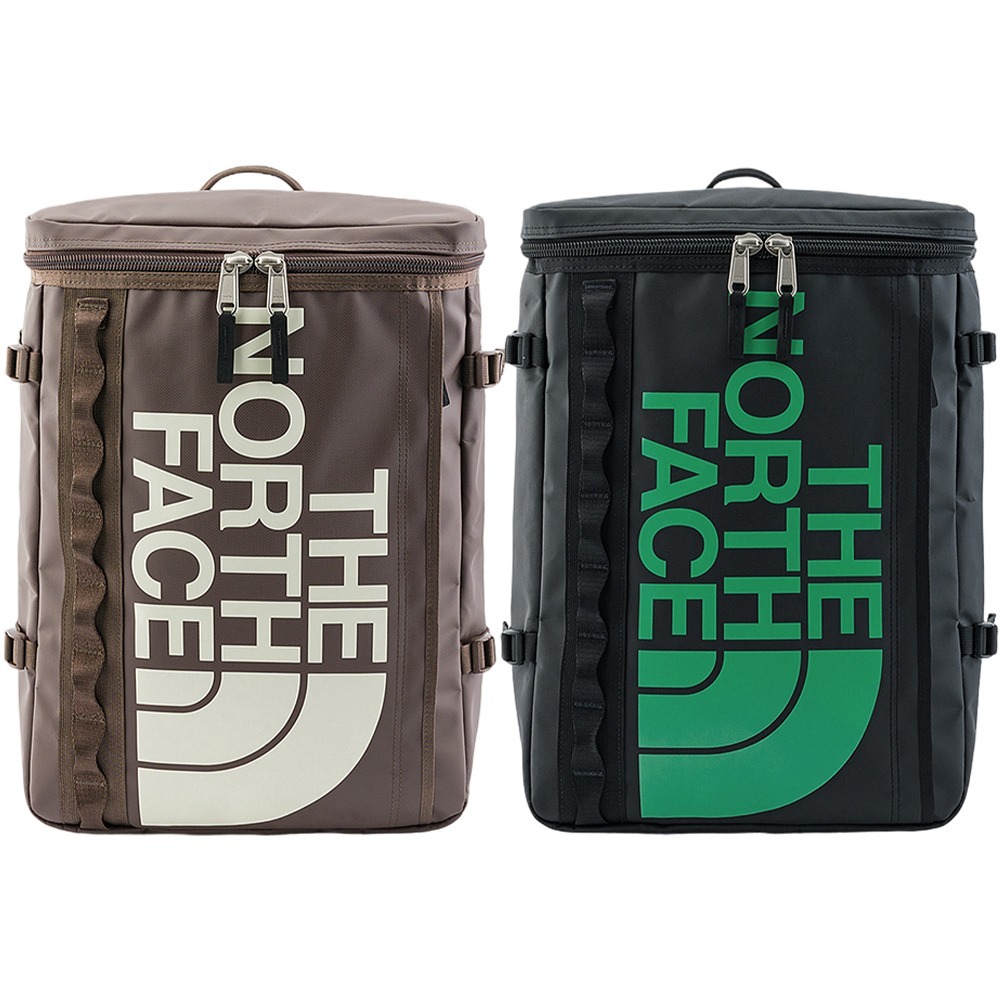
This is definitely not simple thing that “cheap labor” can explain. Today, as SENHAN, a leading Chinese backpack manufacturer, we will deep dive into the strategic thinking, technical barriers, and global industry chain secrets behind this choice.

Part 1: The “Strategic Must-Have” Beyond Cost
For a brand like The North Face, they sell not just a bag, but the absolute reliability of the product in extreme conditions (snow, heavy load trekking). This reliability is their biggest brand premium. To guarantee this reliability, the Chinese supply chain provides four irreplaceable “strategic pillars”:
1. Technology: The ODM R&D Partner
The manufacturing difficulty of a high-performance outdoor backpack is far beyond your imagination. It is not simple sewing work; it is precision engineering:

Complex Load-Bearing System: Involving the molding of ergonomic back panels and the precise bonding of multi-layer high-density foam.
Ultimate Waterproof Technique: Requiring specialized hot-press sealing technology to ensure zero leakage at the seams.
Key Point Reinforcement: At load-bearing nodes like shoulder straps and waist belts, specific, high-precision bar-tacking process is required.
These demand skilled workers who have accumulated decades of experience and expensive automated equipment. China’s top manufacturers have upgraded from previous “OEM factories” to Original Design Manufacturers (ODM). They can not only produce according to drawings, but also participate in early-stage product R&D, solving manufacturing problems, becoming the brand’s “secret R&D partner.”

SENHAN Manufacturing Decrypted: This intergenerational accumulation of Tacit Knowledge and our continuous investment in automation and process standardization are the root reasons why we can undertake and optimize orders for the most complex technical backpacks. Brand reliability is established on this kind of professional knowledge.
2. Scale: Capacity and Resilience
Outdoor market demand is huge and volatile. When the global outdoor boom suddenly arrives, brands must expand their capacity several times overnight to seize the market dividend.
China’s Advantage: Leading Chinese manufacturers are well-capitalized and operationally mature, having the experience and ability to quickly expand production lines through large-scale capital deployment. They can guarantee the delivery of huge orders in a short time with an extremely low defect rate.
Strategic Meaning: This unparalleled supply chain resilience and rapid expansion capability cannot be achieved in such a short time in other countries or regions. For The North Face, choosing China means choosing supply chain guarantee and market first-mover advantage.
3. Economy: Total Cost of Ownership (TCO) Comprehensive Benefit
For a high-end backpack retailing for several thousand RMB, the direct labor cost in the final selling price is much lower than the raw material cost, logistics cost, and quality failure rate.
Pursuing the country with the lowest salary is “cheap,” but if component quality is unstable causing product recall, or if the factory lacks experience causing a large number of scraps, these hidden costs accumulated will far exceed the saved labor costs. The Chinese supply chain’s advantages in quality control (extremely low defect rate), logistics efficiency, and complete raw material support network effectively reduce the brand’s Total Cost of Ownership (TCO).
Part 2: Industry Barrier and “Deep Binding”
The advantage of Made in China does not only come from one single factory, but from a huge, unrepeatable industrial ecosystem.
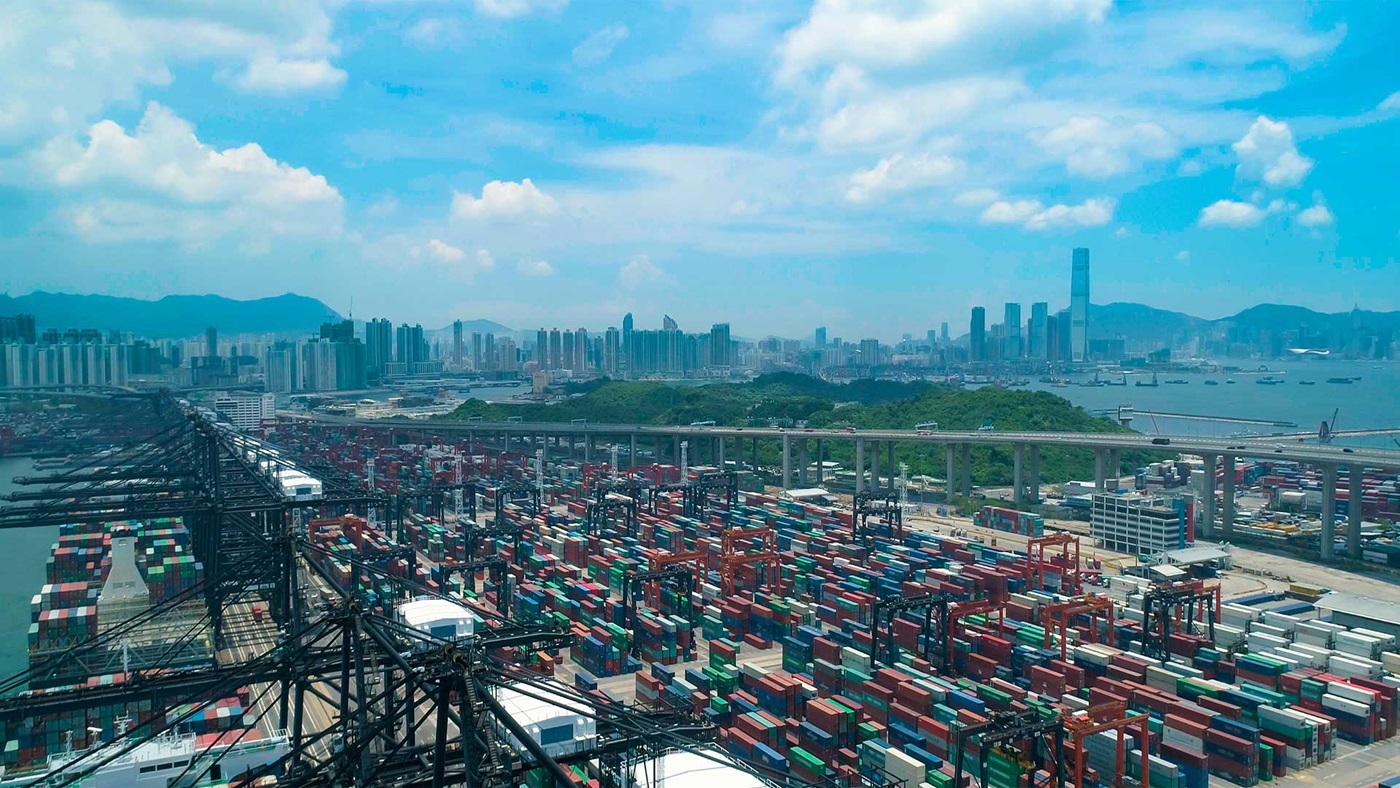
1. Cluster: One Hour to Settle Components
Producing a top-tier backpack requires hundreds of high-precision professional components: the world’s best YKK zippers, customized engineered plastic buckles, high-density specialized webbing, special waterproof fabrics, and so on.
In specific manufacturing regions of China (like Guangdong and Fujian), all these professional component suppliers are highly concentrated, forming a powerful vertical integration capability.
Efficiency Miracle: This means that factories can settle all component sourcing and quality confirmation within one hour in a very small geographical area, greatly shortening the lead time and reducing logistics risks.
2. Locking: High Switching Cost
The relationship between international big brands and their Chinese partners has evolved into a “deep binding” strategic alliance.
This cooperation often involves joint investment: the brand may have customized dedicated molds, machinery, and production lines for the Chinese factory.
Once a large amount of customized equipment and proprietary technology is invested, the brand’s economic rationality for transferring core product lines to new markets will be greatly reduced, facing huge economic losses and technical risks. This high switching cost ensures the long-term stability and exclusivity of the supply chain.
Part 3: Future Competition: ESG and Transparency
In the modern world where global brands increasingly focus on Environmental, Social, and Governance (ESG), this point ironically strengthens the position of top Chinese factories.

1. Threshold: Compliance and Visibility
International brands are required to measure and report greenhouse gas emissions in their supply chains, pursuing “supply chain visibility.” This requires manufacturers to invest huge amounts of capital, deploying complex ERP systems and specialized compliance teams.
2. Barrier: Capital and System
Only top manufacturers like SENHAN, who are well-capitalized and operating at large scale, can effectively absorb these high compliance costs and provide the transparent data and reports the brand requires.
Result: High compliance standards, on the contrary, become a competition barrier for top Chinese factories. For multinational big brands committed to zero risk, choosing a Chinese supplier with a mature compliance system is the first path to reduce their own climate action risk.
Summary: The “Comprehensive Value” of Made in China
Top outdoor brands like The North Face and Arc’teryx choose “Made in China” not because the labor here is the cheapest, but because this place possesses:
World-class skilled workers (guaranteeing complex processes).
Unbeatable capacity elasticity (guaranteeing market supply).
Highly integrated industry ecology (guaranteeing speed and quality).
Mature compliance and quality management system (guaranteeing brand reputation).
For high-value, high-complexity products, the “Comprehensive Value” provided by Made in China is currently still unique globally.